
Parents, educators, students, school staff, grandparents, caregivers, employers, college students, apprentices, veterans, and families planning for the future often ask candidates where they stand on public education, teacher support, student mental health, special education, higher education affordability, student debt, apprenticeships, workforce training, and career pathways. Voters deserve the same transparency. Here is where I stand.
Why This Matters
Public education is one of the most important investments we make in our children, our workforce, our democracy, and our economy.
Strong public schools help children learn, families thrive, employers find skilled workers, and communities grow. Public education is not separate from affordability, healthcare, housing, transportation, public safety, or economic opportunity. It is connected to all of them.
Students need safe schools, prepared teachers, supportive services, career pathways, affordable higher education options, and meaningful opportunities after graduation. Teachers and school staff need respect, fair compensation, classroom support, and the resources necessary to help students succeed.
Why This Matters to Me
As a grandmother raising my grandson as his parent and legal guardian, education is not an abstract policy issue. It affects our family every day.
I understand what families worry about: whether schools are safe, whether students are supported, whether teachers have what they need, whether children are learning, and whether the next generation will be prepared for college, career, military service, apprenticeships, entrepreneurship, or public service.
My commitment to education also comes from my professional experience. As a Certified Financial Planner and small business owner, I spent decades helping families think through college costs, student debt, workforce transitions, career changes, and long-term financial security. I have seen how education can open doors and how barriers to education can limit opportunity.
Education influences earnings, healthcare access, retirement security, housing affordability, entrepreneurship, workforce participation, and overall economic mobility. Every child deserves the opportunity to learn, grow, and succeed regardless of ZIP code, family income, disability status, race, ethnicity, background, or family structure.
My Record
As a Hillsborough County Commissioner, I worked on workforce development, affordable housing, transportation, economic opportunity, public health, behavioral health, and community investments that directly affect students, families, educators, and employers.
I supported partnerships involving workforce development organizations, educational institutions, employers, community colleges, universities, local governments, and community organizations because strong communities depend on strong educational pathways.
One workforce-development initiative I supported was Future Career Academy, a nonprofit program administered by Workforce Development Partners that helps high school students explore future career opportunities, workforce needs, educational pathways, and employment options. The program helps students connect classroom learning to real-world careers and better understand the opportunities available in our regional economy.
That experience reinforced an important lesson: students are more likely to succeed when they can see a clear connection between education and opportunity. Public education, career and technical education, apprenticeships, workforce training, community colleges, universities, employers, and local governments should work together to help students understand the many pathways available to successful careers.
My experience has consistently shown that students achieve the strongest outcomes when schools, families, employers, workforce organizations, and community partners work together to create opportunity.
My Position
I support strong public schools, respect for teachers and school staff, increased investment in students, special education protections, affordable higher education, student debt relief, career and technical education, apprenticeships, workforce training, community college partnerships, and federal support for education that protects opportunity and civil rights.
I oppose efforts to undermine public education, privatize public dollars without accountability, weaken protections for students with disabilities, or eliminate the federal role in protecting access, equity, and civil rights in education.
Education policy should help students build knowledge, confidence, skills, civic understanding, and real pathways to opportunity.
Respecting Teachers and School Staff
Teachers and school staff are essential to student success. They deserve respect, fair compensation, manageable workloads, safe working conditions, classroom resources, and professional support.
Teacher shortages and staff vacancies affect students directly. When schools cannot recruit or retain teachers, paraprofessionals, counselors, bus drivers, and support staff, students lose stability and families feel the impact.
I support policies that strengthen teacher pipelines, improve compensation, support paraprofessionals and school staff, reduce unnecessary administrative burdens, and address workforce housing challenges that make it harder for educators to live near the communities they serve.
Public School Funding and Accountability
Public dollars should strengthen public education and serve students.
Federal education funding should support students with disabilities, low-income students, English-language learners, rural students, military-connected students, homeless students, and communities facing historic underinvestment.
Accountability should apply wherever public dollars go. Families deserve transparency, quality, and fair use of taxpayer resources.
Students with Disabilities and Special Education
Students with disabilities deserve access, dignity, support, and full educational opportunity.
I support strong enforcement of IDEA, Section 504, and civil-rights protections for students with disabilities. Schools need adequate funding, trained staff, appropriate services, and accountability so students receive the supports they are legally entitled to receive.
Parents should not have to fight endless bureaucracy to secure services their children need. Educators should not be expected to meet complex needs without resources, staffing, and training.
Student Mental Health and Wellbeing
Student mental health is central to student success.
Students need access to counselors, behavioral-health supports, substance-use prevention, crisis intervention, safe school environments, and trusted adults. Teachers and staff also need support because they are often the first to notice when a student is struggling.
Education policy that ignores mental health is incomplete. Students cannot fully learn when they are unsafe, unsupported, hungry, traumatized, or unable to access help.
Connecting Education to Career Opportunity
Students should be exposed to career opportunities long before graduation.
Many young people are unaware of the careers available in healthcare, skilled trades, information technology, advanced manufacturing, construction, transportation, public service, education, entrepreneurship, and other growing industries. Too often, students are asked to make major education and career decisions without enough exposure to the opportunities available in their own communities.
Programs such as Future Career Academy help connect classroom learning to real-world opportunities by exposing students to career pathways, workforce demands, educational requirements, and employment possibilities. These experiences help students make informed decisions about college, workforce training, apprenticeships, military service, entrepreneurship, and professional careers.
I support stronger partnerships among public schools, workforce organizations, labor unions, apprenticeship programs, employers, community colleges, universities, and local governments. Students should graduate with a clear understanding of the opportunities available to them and the pathways that can help them achieve their goals.
Career and Technical Education, Apprenticeships, and Workforce Development
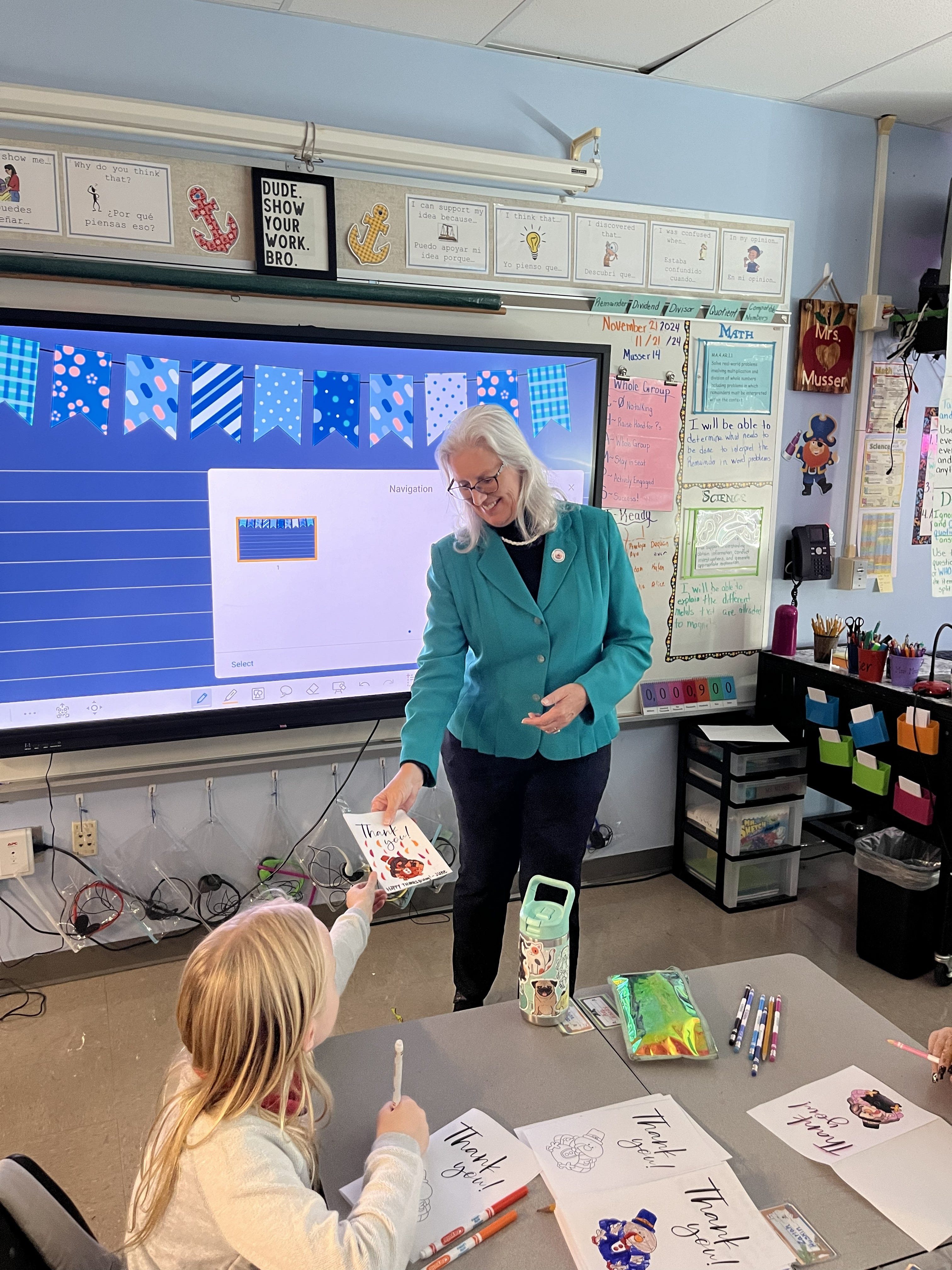
College is one important pathway, but it is not the only pathway. Students should have access to career and technical education, registered apprenticeships, industry certifications, community college programs, dual enrollment, internships, and work-based learning.
Workforce development should connect directly to local economic needs, including healthcare, construction, logistics, clean energy, transportation, education, technology, public service, and skilled trades.
Strong workforce pathways help students, employers, families, and local economies. They also reduce student debt by giving students multiple routes to good-paying careers.
Community Colleges, Universities, and Higher Education Affordability
Community colleges and regional universities are essential to opportunity in FL-12. USF, Hillsborough Community College, Pasco-Hernando State College, and other institutions help students earn degrees, credentials, and workforce skills.
Higher education should be affordable, accessible, and connected to real career pathways. Students should be able to pursue education without taking on unreasonable debt.
I support Pell Grants, affordable community college, workforce credentials, transfer pathways, dual enrollment, apprenticeship connections, and student debt relief that helps borrowers move forward with their lives.
Civics Education and Democratic Participation
Public education helps prepare students not only for work, but also for citizenship.
Students need accurate civics education, constitutional understanding, media literacy, critical thinking, and the ability to participate in democracy responsibly.
A healthy democracy depends on informed citizens who understand their rights, responsibilities, history, institutions, and ability to make change.

School Safety and Student Support
School safety means more than physical security. It includes safe facilities, transportation safety, mental-health supports, bullying prevention, emergency preparedness, and trusted relationships among students, families, educators, and staff.
Students learn best when they feel safe, respected, and supported. Schools should be places where students are challenged academically and cared for as whole people.
Education Affordability and Long-Term Financial Security
Education affordability affects family budgets and long-term financial security.
Families planning for college or workforce training face tuition, books, transportation, housing, childcare, technology, and lost work hours. Students who borrow too much can delay homeownership, retirement savings, entrepreneurship, and family stability.
As a Certified Financial Planner, I understand how education costs and student debt affect family finances across generations. Strong education policy should expand opportunity without trapping students in decades of debt.
What Voters in FL-12 Are Experiencing
Families in Pasco and Hillsborough Counties talk about teacher shortages, school transportation, special education services, school safety, mental-health needs, college affordability, student debt, workforce training, and whether students are graduating with real options.
Teachers talk about workload, compensation, classroom resources, housing affordability, administrative burdens, and the need for public respect.
Employers talk about workforce pipelines, career readiness, soft skills, certifications, internships, apprenticeships, and the need for stronger connections between schools and local industries.
Detailed FL-12 Teacher and Student Examples
A Hillsborough County teacher may love the classroom but struggle with housing affordability, rising insurance costs, commuting expenses, classroom supply costs, and the pressure of supporting students with increasingly complex needs.
A Pasco County teacher may serve in a fast-growing area where enrollment patterns are shifting, requiring new facilities, transportation planning, staffing, and classroom resources to keep pace with community growth.
A school counselor may be supporting hundreds of students while addressing academic planning, mental-health concerns, family needs, college applications, and career exploration.
A student with a disability may need an individualized education plan, specialized instruction, assistive technology, transportation support, and a family advocate who understands the process.
A first-generation college student may use Pell Grants, dual enrollment, community college, or workforce credentials to build a pathway into a career without taking on overwhelming debt.
A student enrolled in career and technical education may discover a path into healthcare, construction, information technology, advanced manufacturing, public safety, or clean energy.
A high school senior participating in Future Career Academy may meet local employers, learn interview skills, explore career options, and leave high school with a clearer plan for what comes next.
A military-connected student may need school stability, transfer flexibility, support during family relocations, and access to strong public schools and workforce programs.
A grandparent caregiver raising a child may rely on teachers, counselors, after-school programs, transportation, special services, and school communication to help that child stay supported and successful.
A working parent may need affordable childcare, after-school care, reliable transportation, and flexible education pathways for themselves and their children.
Evidence-Based Education Policy
Education policy should be measured by results, not ideology.
Strong education policy should be evaluated by literacy rates, graduation rates, attendance, student mental-health access, teacher vacancy and retention rates, school staffing levels, special education access and compliance, career and technical education participation, apprenticeship completion, workforce credential attainment, college affordability, student debt burden, employment placement, wage growth, and economic mobility.
Policy should be judged by whether students are graduating prepared for college, careers, military service, apprenticeships, entrepreneurship, civic participation, and lifelong learning.
The question is simple: are students learning, are teachers supported, are families included, and are graduates prepared for opportunity? If not, policymakers should keep working until the answer is yes.
What Success Looks Like
If education policy is working, more students are reading on grade level, more students are graduating with meaningful options, fewer teachers are leaving the profession, students with disabilities are receiving services, student mental-health supports are accessible, workforce credentials are leading to jobs, community college pathways are affordable, apprenticeships are expanding, and employers can find skilled workers.
Success should also mean that families trust their schools, teachers feel respected, students see opportunity, and public education remains a foundation of democracy and economic mobility.
How I Would Lead in Congress
I will support increased federal investment in public education, strong protections for students with disabilities, student mental-health supports, teacher recruitment and retention, affordable higher education, student debt relief, career and technical education, registered apprenticeships, workforce training, Pell Grants, and community college pathways.
I will oppose efforts to eliminate or weaken the federal role in protecting educational access, special education, civil rights, financial aid, and opportunity.
I will bring a practical, local, and evidence-based approach to education policy, grounded in the understanding that students need both a strong academic foundation and real pathways to opportunity.
Why This Matters in FL-12
Florida’s 12th Congressional District includes students, parents, educators, school staff, caregivers, employers, college students, apprentices, veterans, military families, and grandparents raising children. Education policy affects all of them.
The challenges facing families in Pasco and Hillsborough Counties are not abstract policy debates. They are the quality of local schools, the affordability of college, the burden of student debt, the ability to find a good job, the stability of teachers, the availability of mental-health support, and the opportunity available to the next generation.
I am running for Congress because I believe effective government can help solve these challenges when leaders are willing to listen, work across differences, and focus on results. Education creates opportunity. Strong public schools, respected teachers, affordable higher education, workforce training, apprenticeships, and career pathways help families succeed and strengthen our community. We should judge education policy by whether it expands opportunity, supports educators, prepares students for success, and helps build a stronger future for FL-12.
That is the leadership I have provided throughout my public service, and it is the leadership I will bring to Washington.
Leadership Matters.
Learn more: kimberlyoverman.com
Volunteer: kimberlyoverman.com/volunteer
Contribute: secure.numero.ai/contribute/Overman-for-Congress
Paid for by Overman for Congress